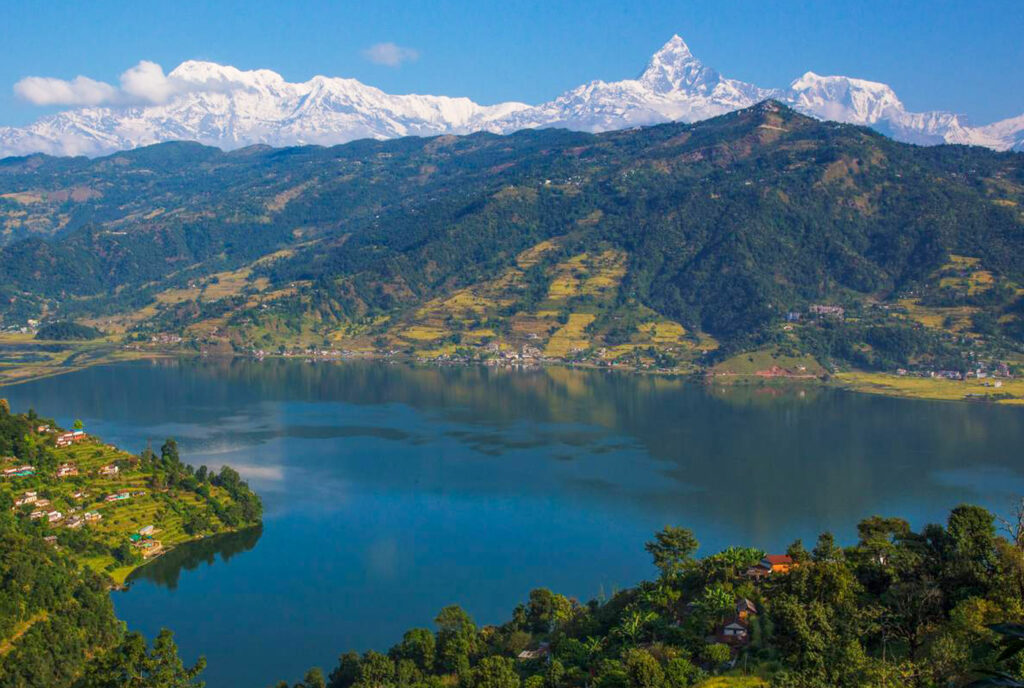
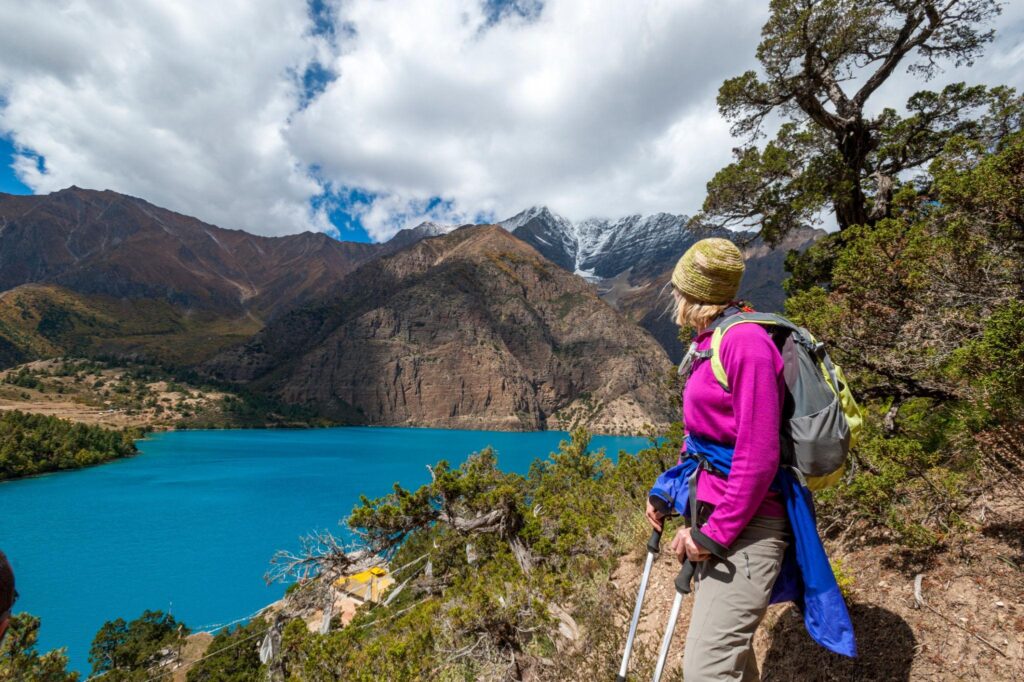
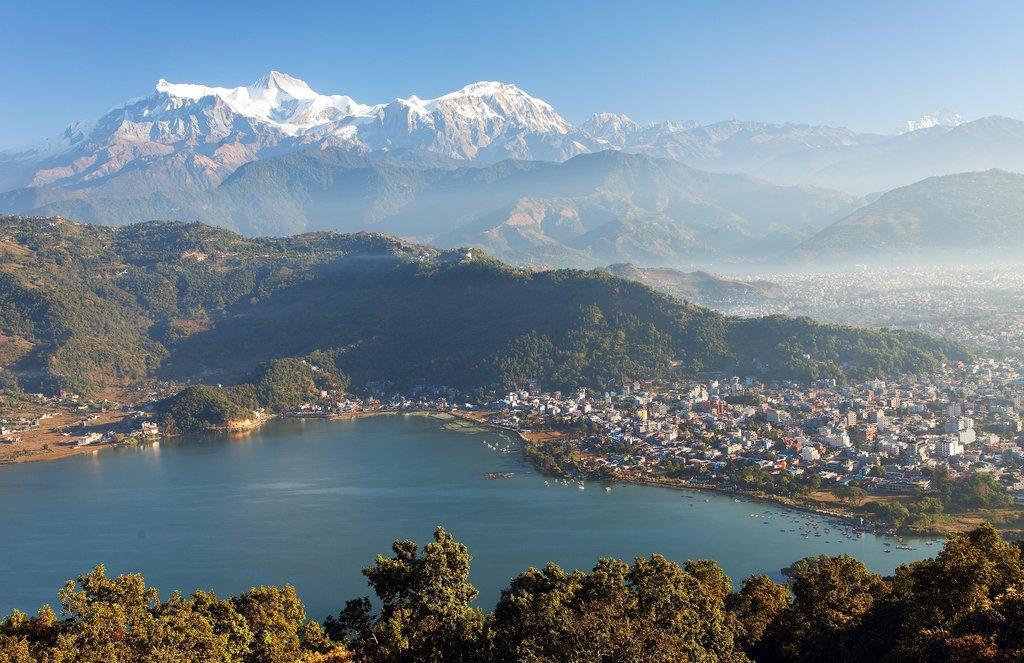
Choosing the Best Mountain View Trek from Pokhara becomes much easier when you understand a few important factors before booking your adventure. Trek duration, difficulty, altitude, weather, permits, and packing requirements all influence your overall experience. Selecting a trek that matches your fitness level, available time, and travel expectations ensures a safer, more enjoyable, and memorable journey through the Annapurna region.
The Best Mountain View Trek from Pokhara offers routes that range from a relaxing one-day hike to rewarding week-long adventures. Travellers with limited time can enjoy short hikes like Australian Camp or Dhampus, while those with several days available can explore destinations such as Mardi Himal, Khopra Danda, or Annapurna Base Camp. Choosing the right duration allows you to balance trekking with other activities in Pokhara, including sightseeing, adventure sports, or cultural tours. Longer treks provide more opportunities to experience changing landscapes, traditional villages, and close-up Himalayan views, while shorter hikes still deliver unforgettable mountain scenery without requiring a lengthy commitment.
The trekking routes around Pokhara range from easy to moderately challenging, making them suitable for beginners as well as experienced hikers. None of the trails featured in this guide require technical climbing skills or specialised mountaineering equipment. Most routes involve steady uphill and downhill walking on well-established mountain trails. Building basic fitness through regular walking, jogging, or stair climbing before your trip will make the experience much more comfortable. Trekking at your own pace, taking regular breaks, and staying well hydrated help ensure an enjoyable journey regardless of the route you choose.
Altitude is another important factor when selecting the Best Mountain View Trek from Pokhara. Lower hikes such as Australian Camp remain around 2,000 metres, while higher destinations like Mardi Himal Base Camp reach elevations above 4,500 metres. As altitude increases, the air becomes thinner, making it important to walk gradually and allow your body time to adjust. Drinking plenty of water, maintaining a slow pace, and following your guide’s advice greatly reduce the chances of altitude-related discomfort. Although these treks do not reach the extreme elevations found in some Himalayan expeditions, proper acclimatisation still plays an important role on higher routes.
Spring and autumn remain the most popular seasons for experiencing the Best Mountain View Trek from Pokhara. During spring, forests burst into colour as rhododendrons bloom across the hillsides, creating beautiful scenery alongside clear mountain views. Autumn offers dry weather, crisp air, and some of the clearest visibility of the entire year after the monsoon rains have settled the dust. Winter also provides excellent mountain panoramas, although mornings and evenings become considerably colder at higher elevations. Monsoon trekking is possible on selected routes, but frequent rain and cloud cover can reduce visibility and make trails more slippery.
Most trekking routes in the Annapurna region require an Annapurna Conservation Area Permit (ACAP) and a Trekkers’ Information Management System (TIMS) Card before starting the journey. These permits support trail maintenance, conservation efforts, and visitor safety throughout the region. They are usually easy to arrange through a registered trekking company or at the appropriate permit offices before departure. Travellers normally need a valid passport, passport-sized photographs, and the required permit fees to complete the application process. Carrying these permits during the trek is essential, as they are checked at various checkpoints along the route.
Packing the right equipment makes the Best Mountain View Trek from Pokhara safer, more comfortable, and more enjoyable. Essential items include sturdy hiking boots, moisture-wicking clothing, a warm insulated jacket, gloves, a light sleeping bag, trekking poles, and a reusable water bottle. Layered clothing is highly recommended because temperatures can change significantly between warm afternoons and cold mountain mornings. A sun hat, sunglasses, sunscreen, headlamp, rain jacket, power bank, personal medications, and a basic first aid kit should also be included in your backpack. Preparing carefully before the trek allows you to focus on enjoying the spectacular Himalayan scenery instead of worrying about missing equipment.