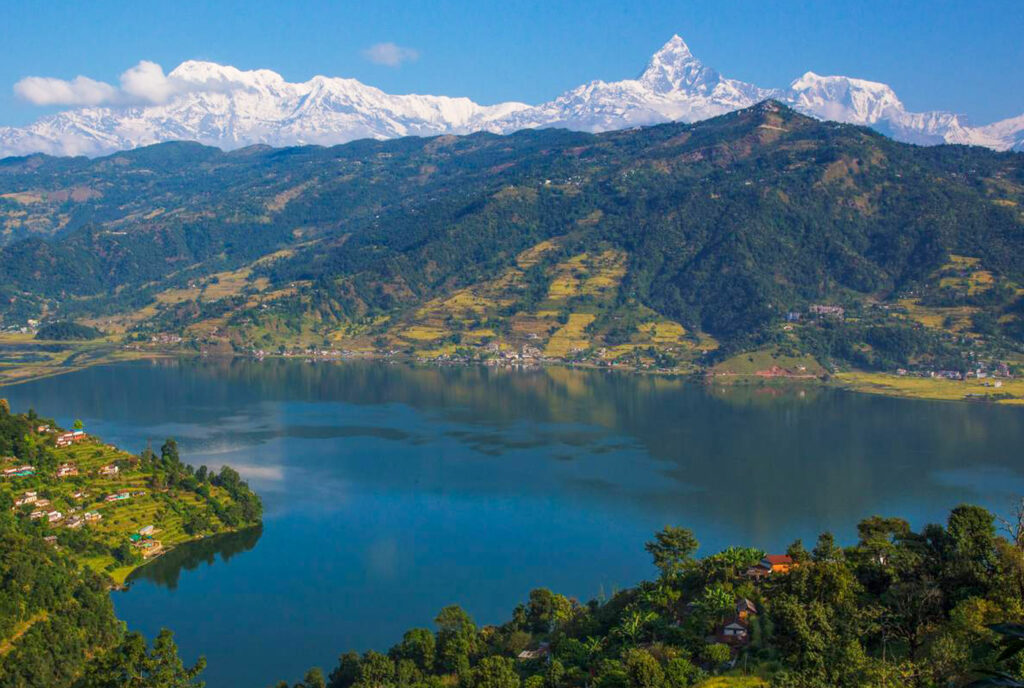
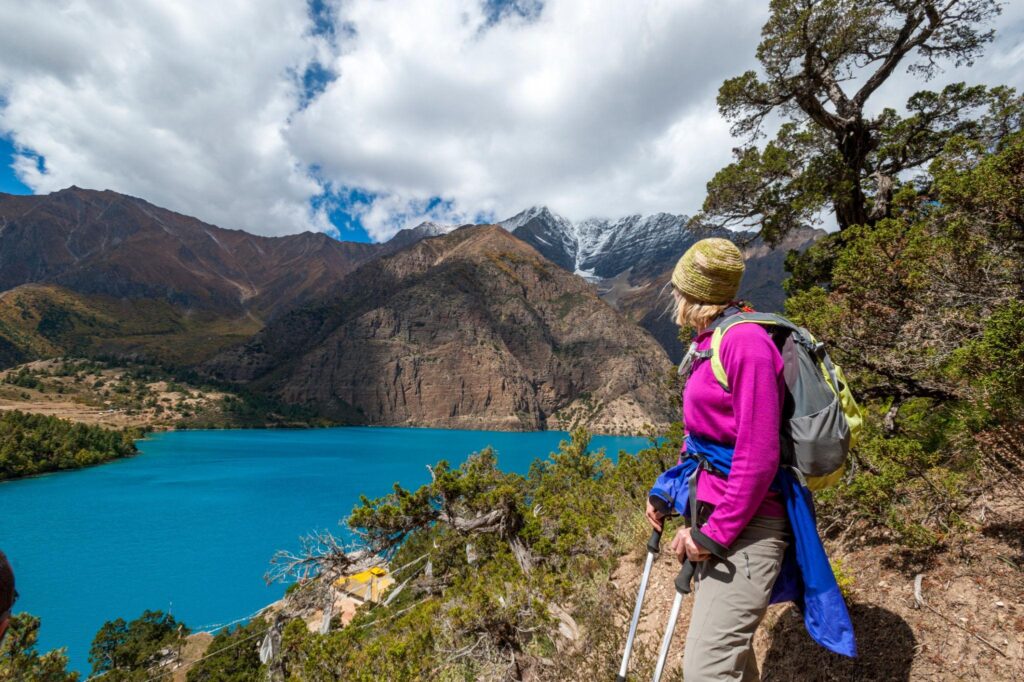
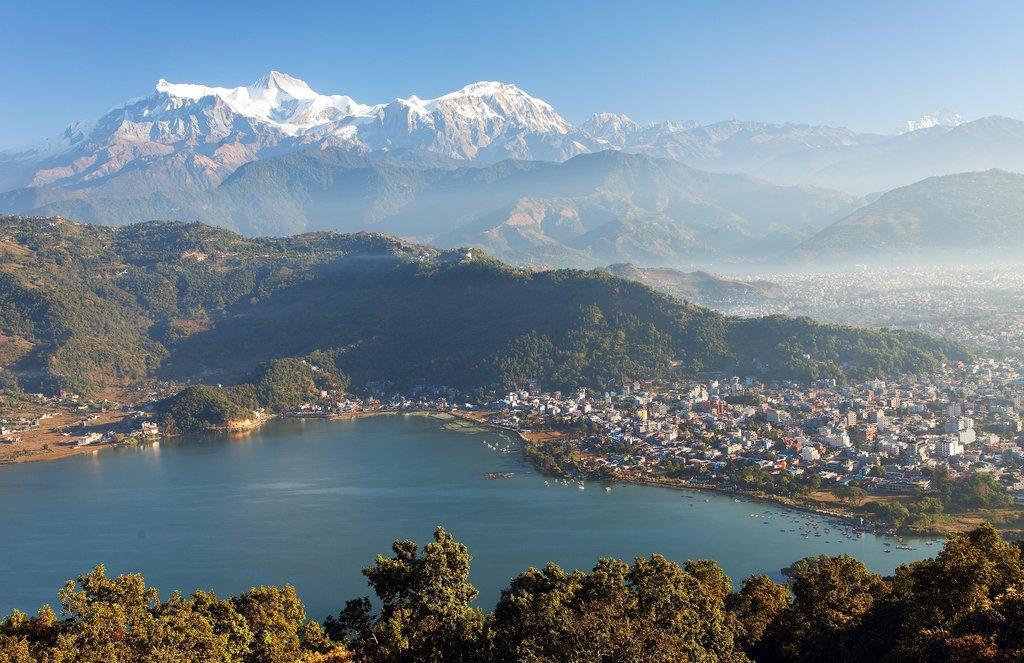
The most beautiful lake treks in Nepal offer a rare balance between adventure and stillness. These journeys suit beginners, families, and seasoned trekkers who want mountain scenery paired with calm, reflective water. Most itineraries range from four days to two weeks, giving travelers with limited time and those seeking longer expeditions equal opportunity to explore. Well-marked trails, welcoming tea houses, and diverse terrain create a memorable adventure without demanding extreme technical skill. Many of these scenic lake treks in Nepal pass through forests, high pastures, and traditional settlements, letting trekkers experience nature and culture together on a single journey. Trekkers do not need special climbing skills to enjoy these routes. Good trails, warm tea houses, and helpful guides make the journey comfortable even for first-timers. This is why lake treks are a great pick for a first Himalayan adventure.
-
Crystal-Clear Himalayan Lakes
Every route on this list centers around water of remarkable clarity. Alpine and glacial lakes such as Rara, Phoksundo, and Gokyo reflect snow peaks with striking precision on calm mornings. The Himalayan lake treks scattered across Nepal each hold a distinct shade of blue or turquoise, shaped by mineral content and glacial melt. Sitting beside these waters at sunrise remains one of the most rewarding moments of any Himalayan journey. The water often looks blue, green, or silver depending on the time of day. Photos taken early in the morning usually turn out best, since the water stays calm and the sky is clear. Many trekkers say sitting by these lakes is the most peaceful part of the whole trip.
-
Peaceful Trails and Natural Beauty
Forested paths, quiet ridgelines, and gentle river valleys line most lake trekking routes in Nepal. Crowds thin considerably compared with busier base camp trails, giving trekkers a calmer pace and closer connection with nature. Rhododendron blooms, alpine meadows, and cascading waterfalls appear frequently along the way. This peaceful character makes lake treks a favorite choice among travelers seeking quiet reflection alongside physical adventure. Because fewer people walk these paths, trekkers get more time to enjoy birdsong and fresh mountain air. Small tea houses along the way offer a warm place to rest. This quiet setting is perfect for anyone who wants to slow down and think.
-
Rich Culture and Wildlife
Villages belonging to Gurung, Sherpa, Thakuri, Tamang, and Dolpo communities line many of these trekking corridors. Ancient monasteries, prayer flags, and local festivals add cultural depth to each journey, while national parks along these routes shelter rare species such as snow leopards, musk deer, and the Himalayan thar. Trekking to lakes in Nepal combines wildlife encounters with genuine cultural exchange at almost every stop. Trekkers can also try local food and see how village life works day to day. Many families welcome guests warmly and are happy to share their customs. Watching daily life in these villages adds a personal touch to the trek.
-
Perfect for Nature Lovers and Photographers
Mirror-like water, dramatic cliffs, and constantly shifting light create endless opportunities for photography. Sunrise and sunset transform every lake into a different scene, and glacier-fed basins such as Tilicho and Gokyo sit among the highest and most dramatic bodies of water on earth. Photographers and nature lovers consistently rank these alpine lake treks in Nepal among their favorite subjects for landscape work. Even a simple phone camera can capture stunning shots at these lakes. Golden light at sunrise and sunset makes the colors look even brighter. Many trekkers say their best travel photos come from these lake treks.
-
Suitable for Different Experience Levels
Options span from short, easy circuits near Pokhara to demanding high passes above 5,000 meters. Kapuche Lake Trek suits beginners with only four days of walking, while Tilicho Lake Trek challenges experienced trekkers with its high pass and longer duration. This spread of difficulty makes Nepal trekking holidays centered on lakes accessible to nearly every fitness level and travel schedule. Beginners can start with a shorter, lower trek before trying a harder route later. A trekking agency can also suggest which trek best matches a person’s fitness level. This way, every traveler finds a trek that feels right for them.
-
Things to Know Before Choosing a Lake Trek
Selecting the right lake trekking package in Nepal starts with a clear picture of difficulty, duration, season, and permit requirements. Every route offers its own blend of altitude, culture, and scenery, so matching a trek to personal fitness and available time makes the entire journey smoother. Understanding these factors in advance helps travelers choose confidently among the most beautiful lake treks in Nepal and prepare properly for the trail ahead. Taking time to plan ahead makes the trek far less stressful. Checking the weather, packing the right gear, and booking permits early all help. A little planning goes a long way toward a smooth and happy trip.
Difficulty ranges widely across these six lake treks. Kapuche Lake Trek stays short and easy, while Rara and Shey Phoksundo sit at a moderate level with longer walking days. Gokyo and Gosaikunda involve high passes and steeper ascents, and Tilicho Lake Trek reaches a genuinely challenging grade because of its altitude. Matching personal fitness with trek difficulty remains an essential first step. Trekkers who are new to long walks should start with an easier route like Kapuche. Those with more experience can try harder treks like Tilicho. Talking to a trekking agency can help decide which trek fits best.
Duration varies from a brief four-day outing to a full two-week expedition. Shorter circuits such as Kapuche suit travelers working within a tight schedule, while longer journeys such as Rara Lake Trek and Gokyo Lake Trek allow deeper immersion into remote regions. This flexible range of duration lets nearly any travel calendar accommodate one of these scenic lake treks in Nepal. Shorter treks are great for travelers on a tight schedule or a quick holiday. Longer treks give more time to relax, explore, and enjoy the mountains slowly. Either way, there is a trek length to match almost any travel plan.
Spring, running from March through May, and autumn, spanning September through November, offer the clearest skies and steadiest weather for lake trekking in Nepal. Rhododendron blooms color the trails in spring, while autumn brings crisp air and sharp mountain visibility. Certain routes, including Shey Phoksundo, also stay accessible during the monsoon due to their location in a rain-shadow area. Trekking in the wrong season can mean muddy trails or blocked mountain views. This is why most trekkers choose spring or autumn for the clearest skies. Checking the forecast a few days before starting also helps avoid surprises.
Most lake treks require a TIMS card alongside a specific regional permit, such as the Annapurna Conservation Area Permit, Sagarmatha National Park Permit, Rara National Park Entry Permit, or Shey Phoksundo National Park Entry Permit. Arranging these documents ahead of time keeps the journey smooth and supports conservation efforts across these protected Himalayan regions. Permits help protect Nepal’s parks and support local communities. Most permits can be arranged in Kathmandu before the trek begins. A trekking agency can handle this paperwork so travelers do not need to worry about it.
Warm layers, a reliable sleeping bag, sturdy trekking boots, and a proper rain jacket belong in every trekker’s pack for these journeys. A reusable water bottle, sun protection, a basic first-aid kit, and a power bank round out the essentials for remote sections with limited electricity. Packing wisely allows every trekker to focus fully on the scenery along the most beautiful lake treks in Nepal. Packing light but smart makes the walk much easier on tired legs. A good daypack, comfortable socks, and a headlamp are also worth bringing. Trekking agencies usually share a full packing list before the trip starts.